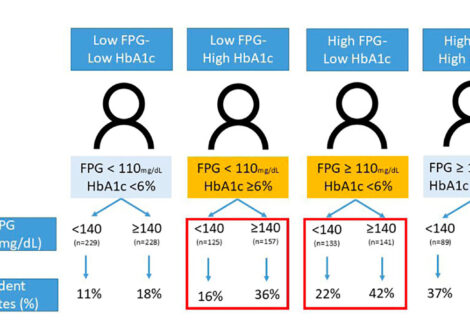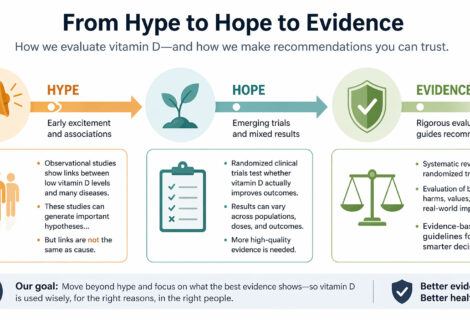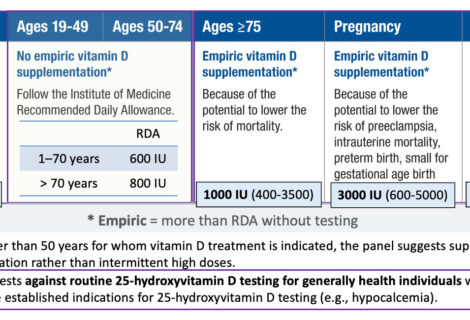
Prediabetes is common, and for many people, the path forward is not always clear. Lifestyle change remains the foundation of prevention, but it can be difficult to sustain and not always accessible at scale. This raises a practical question: are there simple, safe additions that can meaningfully reduce risk?
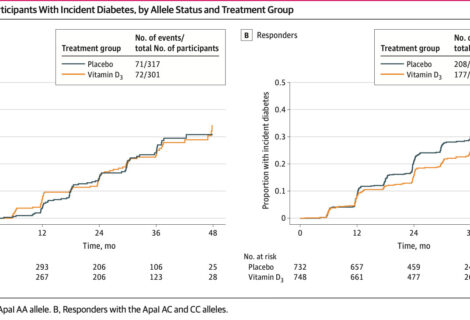
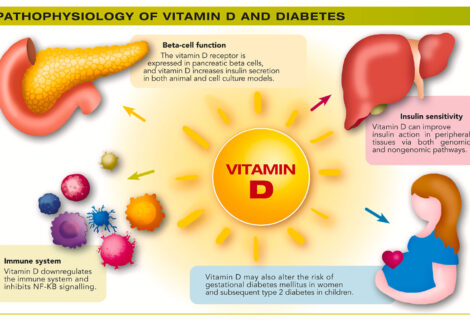
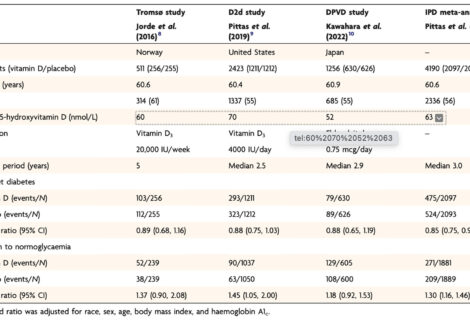
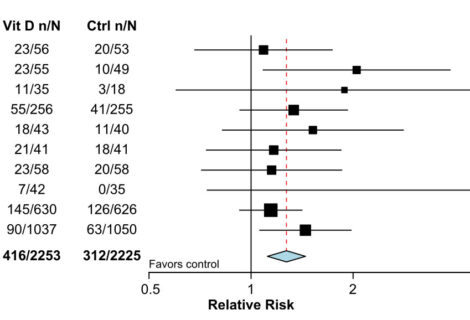
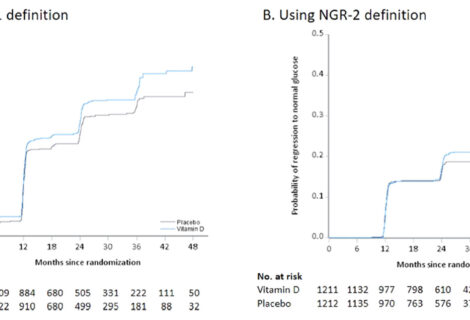
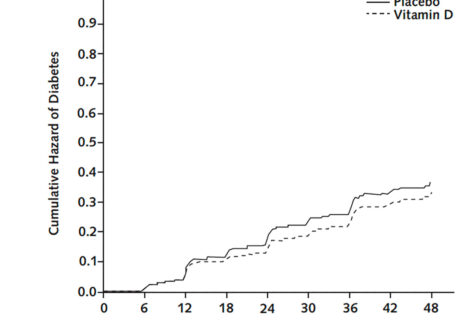
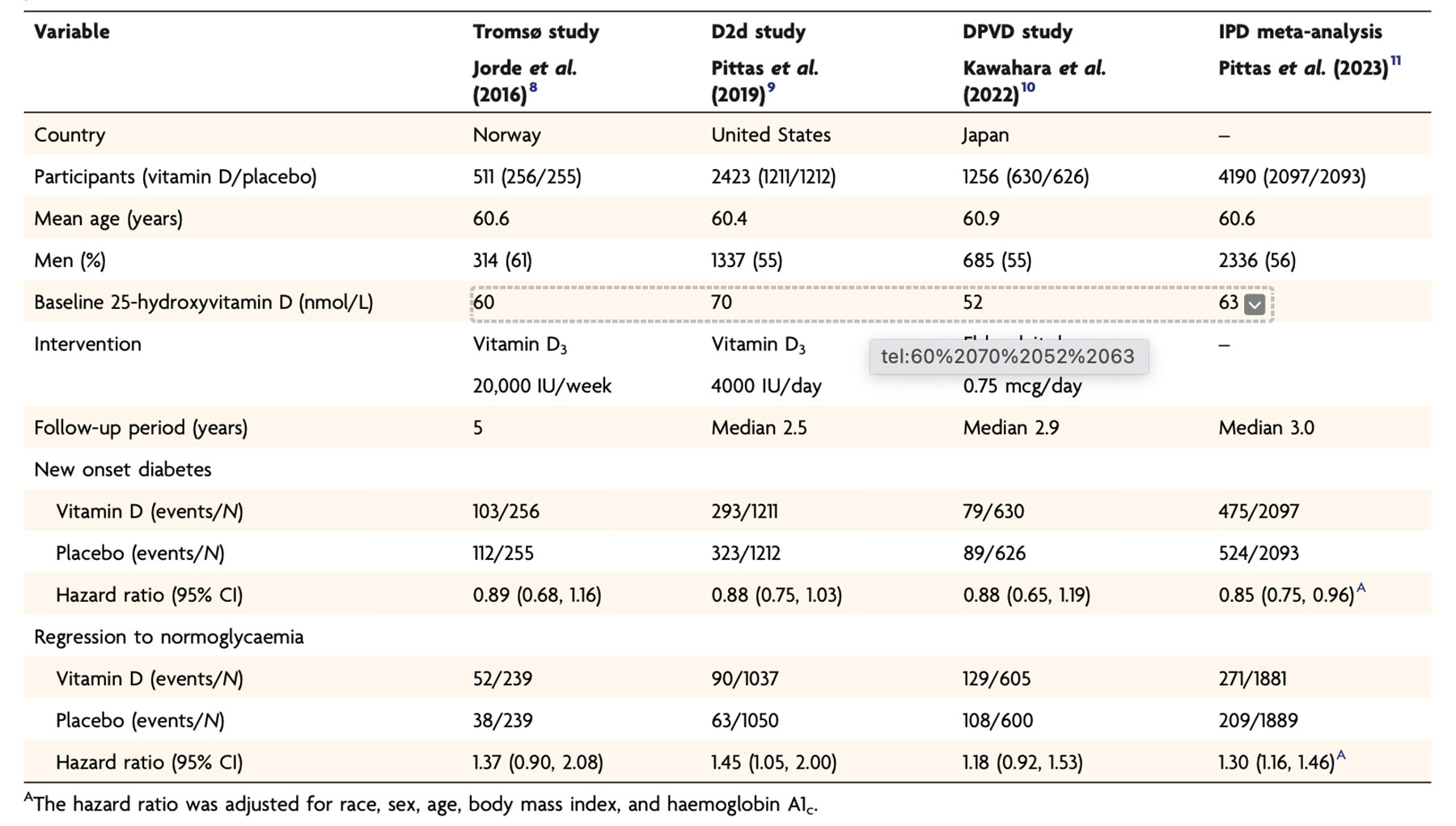
Evidence from large clinical trials offers a consistent answer. Vitamin D supplementation reduces the risk of progressing from prediabetes to diabetes and increases the likelihood of returning to normal glucose levels. The effect is modest, but it appears across different populations and study designs, suggesting a real benefit.
Because vitamin D is low-cost, safe, and easy to implement, it may have a role as part of a broader prevention strategy, especially for individuals at higher risk or with low vitamin D levels. It is not a replacement for lifestyle change, but it is a practical complement, helping tilt the balance in the right direction.