
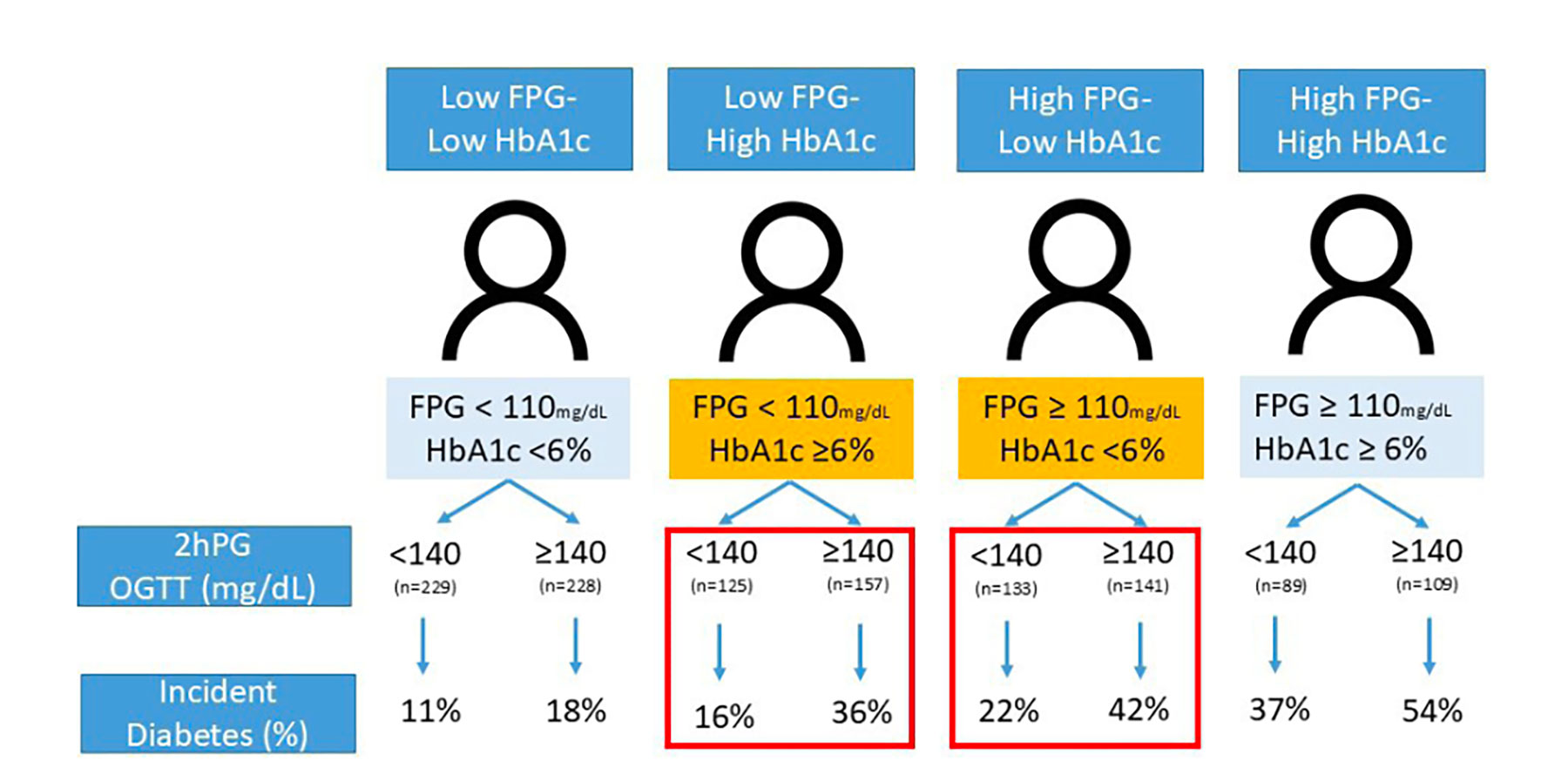
After the American Diabetes Association expanded its diagnostic criteria for prediabetes in 2010 to include hemoglobin A1c (HbA1c), clinical practice shifted toward relying mainly on fasting glucose and HbA1c. This shift raised an important question: does the 75-gram oral glucose tolerance test (OGTT), and specifically the 2-hour glucose value, still add value?
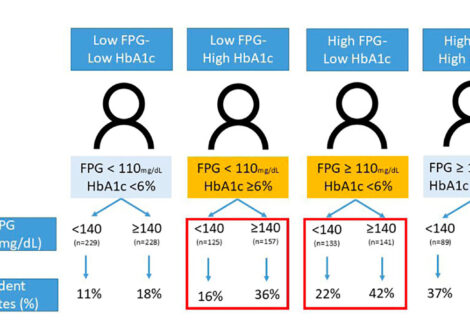
In the D2d study, we found that the 2-hour glucose value was particularly helpful when fasting glucose and HbA1c did not align, for exemple, when on suggested lower risk and the other higher risk. In these situations, the 2-hour value helped clarify whether someone was at “high” or “very high” risk of developing diabetes
More broadly, adding the 2-hour glucose value improved our ability to predict who would go on to develop diabetes in a contemporary population at risk. This suggests that, rather than being outdated, the OGTT remains a valuable tool, one that can be used selectively to better understand an individual’s risk.






 study cohort.&media=https%3A%2F%2Fd2dstudy.org%2Fwp-content%2Fuploads%2F2026%2F07%2F2025_Kim_Figure.jpg)