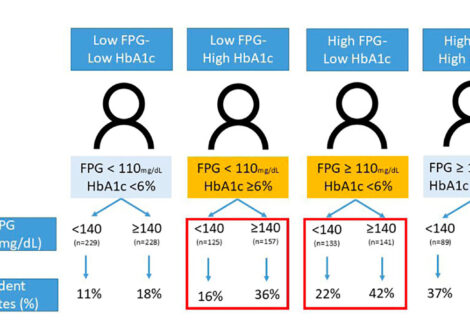
Prediabetes affects hundreds of millions of people worldwide and serving as a gateway to type 2 diabetes. While lifestyle change remains the foundation of prevention, it is difficult to sustain at scale, and many people continue to progress despite best efforts. This has led researchers to ask whether there are additional, practical tools that can help shift risk earlier and more broadly.
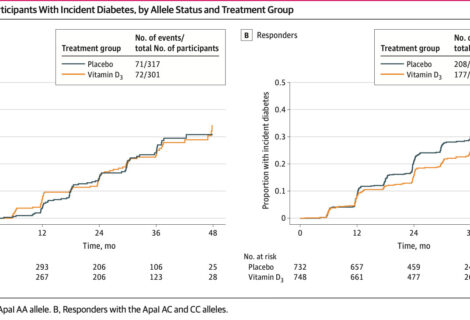
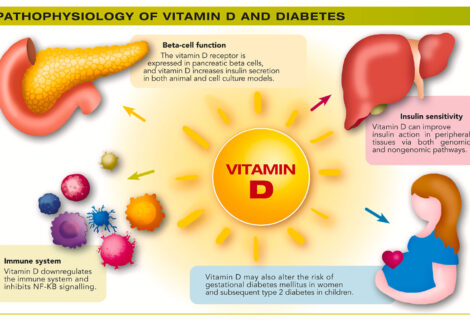
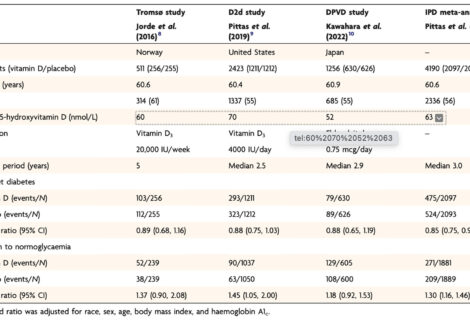
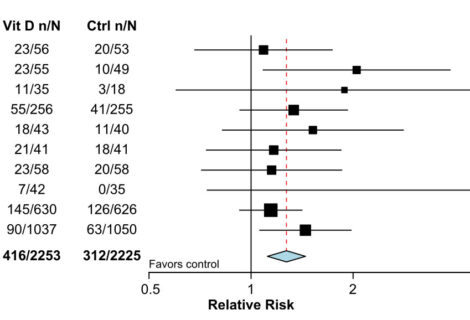
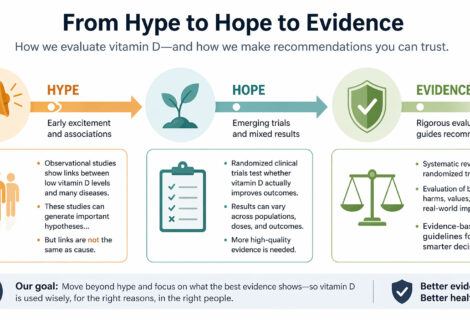
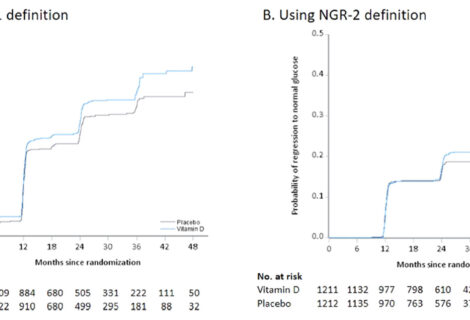
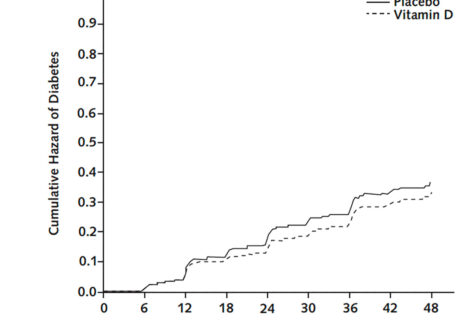
Over the past decade, evidence for vitamin D has matured from biological plausibility and observational associations to randomized clinical trials. Across multiple large studies and confirmed in meta-analyses, vitamin D supplementation produces a modest but consistent reduction in the risk of developing diabetes and increases the likelihood of returning to normal glucose levels. These effects appear stronger in individuals with lower vitamin D levels and may depend on achieving sufficient circulating levels over time.
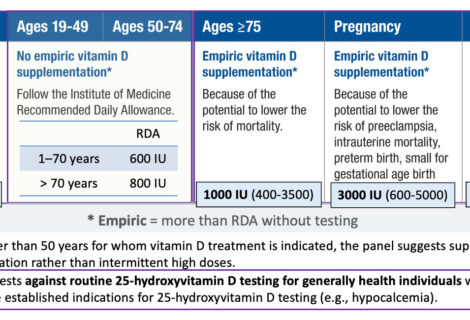
Taken together, the evidence points to a clear conclusion. In a field where many effective interventions are difficult to implement broadly, vitamin D stands out as a practical addition. The opportunity now is not to wait for perfect evidence, but to thoughtfully integrate what we already know into care, using vitamin D as one more tool to bend the trajectory of diabetes at the population level.